Didcartley you lose the value of the order?
Did you also pay a penalty on top of it?
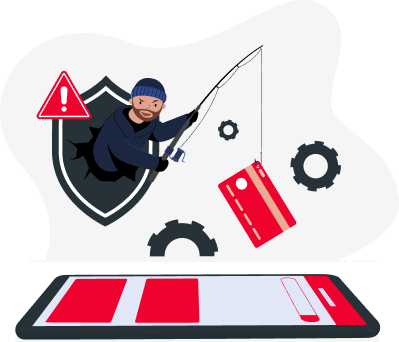
This is not a coincidence; it is the direct result of lacking a clear system. Chargebacks have become one of the most critical causes of profit leakage in restaurants, often occurring without the business owner’s awareness.
In this article, we will reveal how they happen—and how you can prevent them.
Reversed Payments, Lost Profits
What are Chargebacks?
After understanding the scale of the problem, it is essential to first clarify the concept of chargebacks in a simple and practical manner.
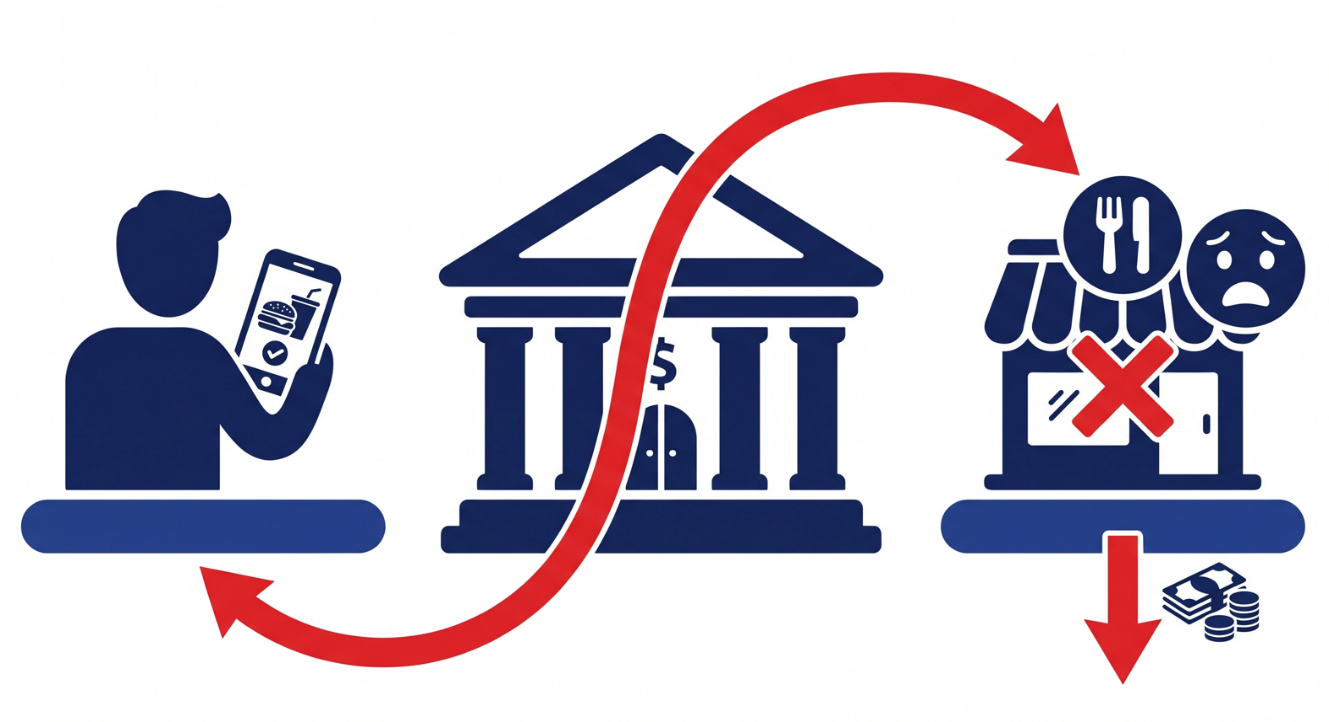
A chargeback is a procedure initiated by a customer when they dispute a payment made via their bank card. The customer contacts their bank to request a refund, even after the order has been successfully fulfilled.
In other words:
· You may fulfill the entire order and deliver it to the customer…
· Yet, the amount is subsequently withdrawn from your account without direct consultation with you.
Why is this a genuine problem for restaurants?
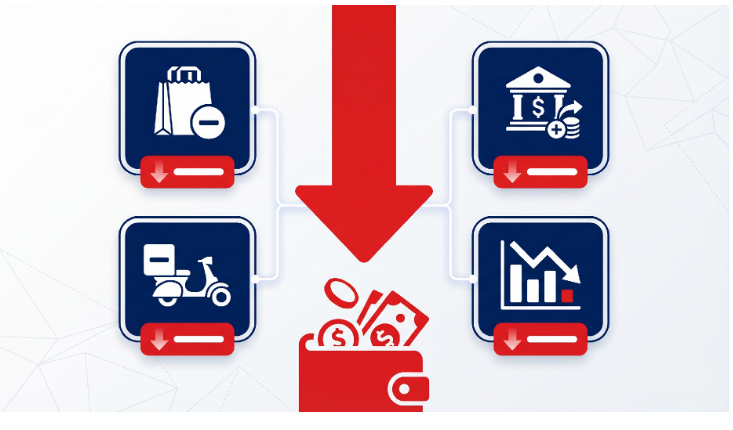
Understanding chargeback management for restaurants is crucial because a chargeback does not simply mean "refunding the amount." It also entails:
· Total loss of the order value.
· Loss of delivery and operational costs.
· Payment of additional fees to the bank or payment gateway.
· Negative impact on your merchant account rating.
Implementing a restaurant payment dispute solution is vital to protect your business from these hidden costs and to reduce payment disputes for your restaurant effectively.
Lost Inventory, Lost Revenue.
Are Chargebacks Limited to Dine-in Restaurants?
The answer is: No. In fact, they appear more frequently in:
· Delivery orders
· App-based orders
· E-commerce store orders
In these cases, providing proof of delivery for food orders is more challenging, which increases the likelihood of disputes. This raises an important question: what is the actual purpose of chargebacks?
To fully understand the issue, it is important to recognize that chargebacks were not designed to harm merchants; rather, they serve two main objectives:
1. Protecting Customers from Fraud If a customer’s card is used without their knowledge, they can contest the transaction and recover their funds through the bank. This makes electronic payments more secure and gives customers greater confidence in using their cards.
2. Holding Merchants Accountable for Errors This mechanism is also used if:
· An amount higher than agreed upon was deducted.
· The customer did not receive the service as expected.
· The order was not delivered.
In these instances, the customer has the right to claim a refund.